John A. Kellum, MD; Shigehiko Uchino, MD. JAMA. 2009;301(23):2496-2497.
 |
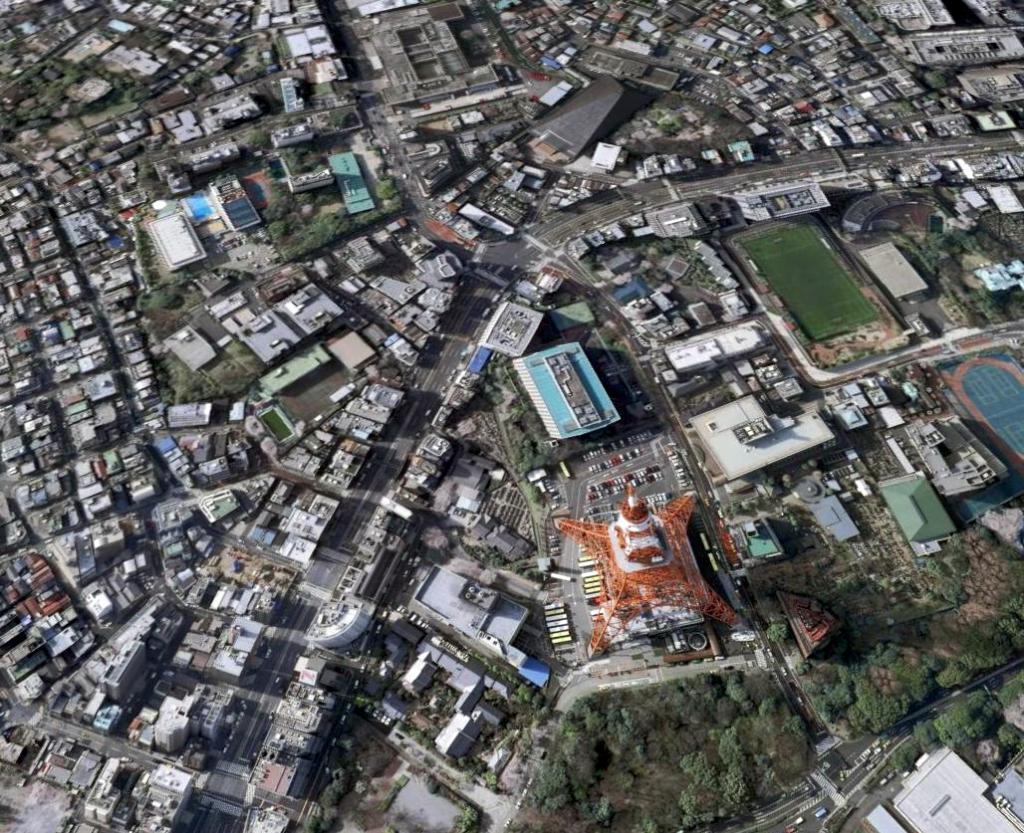 |
| Statute of Liberty, New York, USA | Tokyo Tower, Tokyo, Japan |
Imagine a patient with acute coronary syndrome on a flight from New York to Tokyo. Given how small the world of medicine has become, it is reasonable to assume that the treatment he/she would receive would be very similar no matter if the plane returned to New York or continued to Tokyo. Now imagine that the patient had septic shock instead of heart disease—landing in New York or Tokyo would result in drastically different treatment. In New York, early goal-directed therapy (EGDT) and drotrecogin alfa are widely used while the former is less common and the latter is unavailable in Tokyo. Conversely, for more than 10 years, a patient with sepsis would likely receive therapy with an endotoxin adsorber (polymyxin B hemoperfusion) in Tokyo, a treatment unavailable in New York.
Why such radical differences? Aren’t physicians treating sepsis in Japan and the United . . . [Full Text of this Article]
Go to JAMA here.